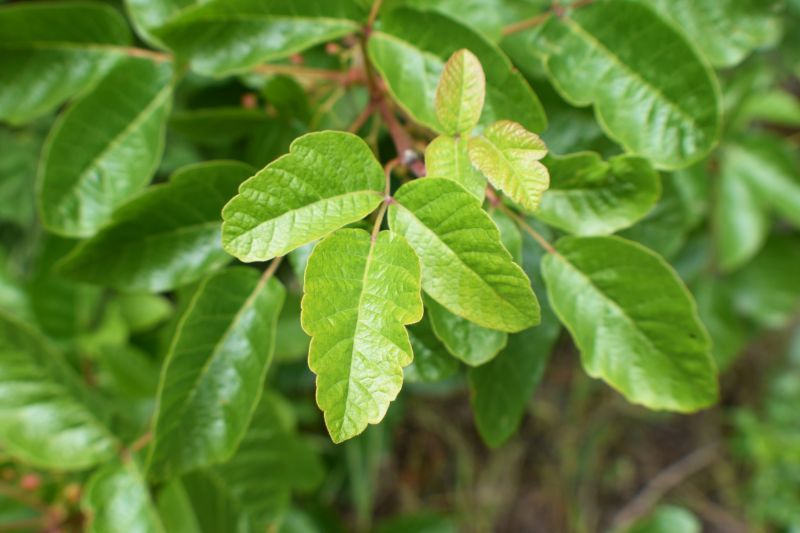
Poison Oak Removal in Lancaster, PA
Poison oak removal services focus on safely eliminating this invasive plant from residential properties. These services typically cover projects such as clearing poison oak from yards, gardens, and wooded areas, as well as managing overgrown brush where the plant may be spreading. Property owners often seek this service to reduce the risk of skin irritation and allergic reactions caused by contact with poison oak, especially in outdoor spaces used for recreation, gardening, or relaxation.
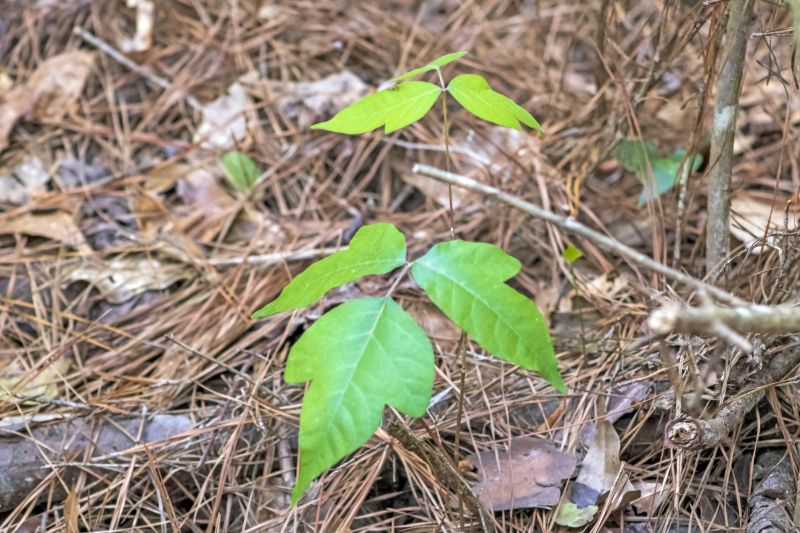
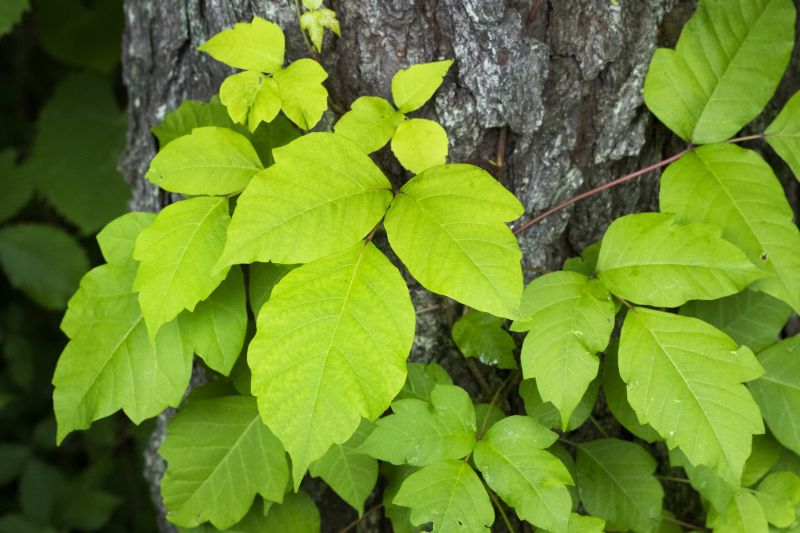
Before requesting poison oak removal, property owners usually want to understand the extent of the infestation and the best methods for removal. It’s important to consider the location of poison oak in relation to other plants, structures, and outdoor activity areas. Proper identification of the plant is essential, as misidentification can lead to ineffective treatment. Additionally, owners should inquire about the disposal process of removed plants and any safety precautions to prevent exposure during the removal process.
Many property owners in Lancaster, PA look into Poison Oak Removal for repairs, replacements, upgrades, and appearance-related improvements.
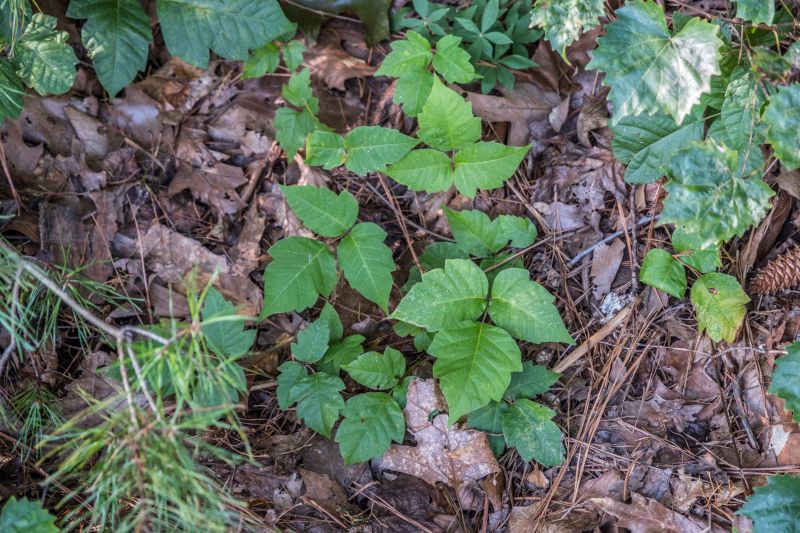
Poison Oak Identification
Recognizing poison oak is essential for safe removal and property protection.
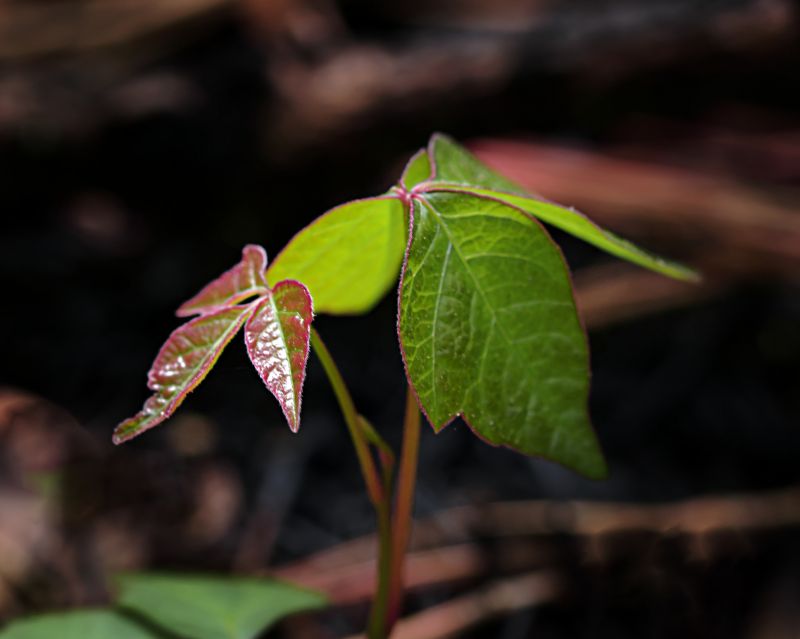
Hazard Prevention
Removing poison oak helps prevent skin irritation and allergic reactions for residents and visitors.
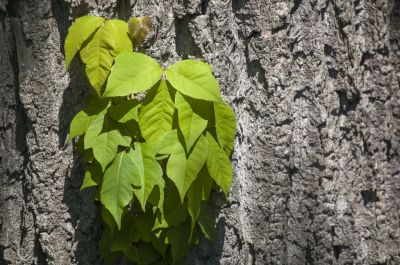
Property Maintenance
Effective poison oak removal maintains the safety and appearance of outdoor spaces in lancaster and nearby areas.
Poison Oak Removal in Lancaster, PA
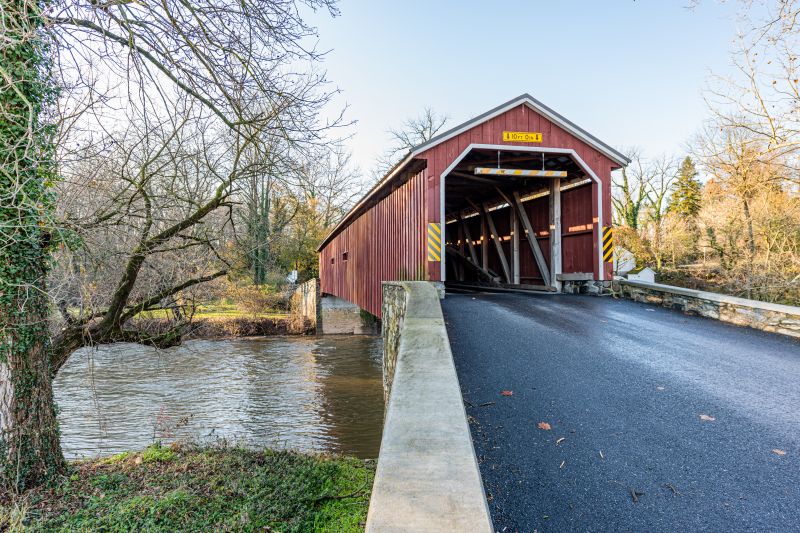
Poison oak removal services focus on safely eliminating this invasive plant from residential properties. These services typically cover projects such as clearing poison oak from yards, gardens, and wooded areas, as well as managing overgrown brush where the plant may be spreading. Property owners often seek this service to reduce the risk of skin irritation and allergic reactions caused by contact with poison oak, especially in outdoor spaces used for recreation, gardening, or relaxation.
Before requesting poison oak removal, property owners usually want to understand the extent of the infestation and the best methods for removal. It’s important to consider the location of poison oak in relation to other plants, structures, and outdoor activity areas. Proper identification of the plant is essential, as misidentification can lead to ineffective treatment. Additionally, owners should inquire about the disposal process of removed plants and any safety precautions to prevent exposure during the removal process.
Many property owners in Lancaster, PA look into Poison Oak Removal for repairs, replacements, upgrades, and appearance-related improvements.
Common Poison Oak Removal Jobs
Poison Oak Removal - safely eliminates poison oak from residential landscapes to prevent skin irritation.
Property Clearing - removes poison oak from yards, gardens, and outdoor spaces for safer outdoor activities.
Brush and Shrub Removal - targets poison oak growth in overgrown areas to restore natural beauty.
Selective Clearing - focuses on removing poison oak without disturbing other desirable plants.
Landscape Maintenance - includes poison oak control as part of ongoing yard health and safety efforts.
Emergency Removal - addresses sudden poison oak outbreaks to minimize exposure risks.
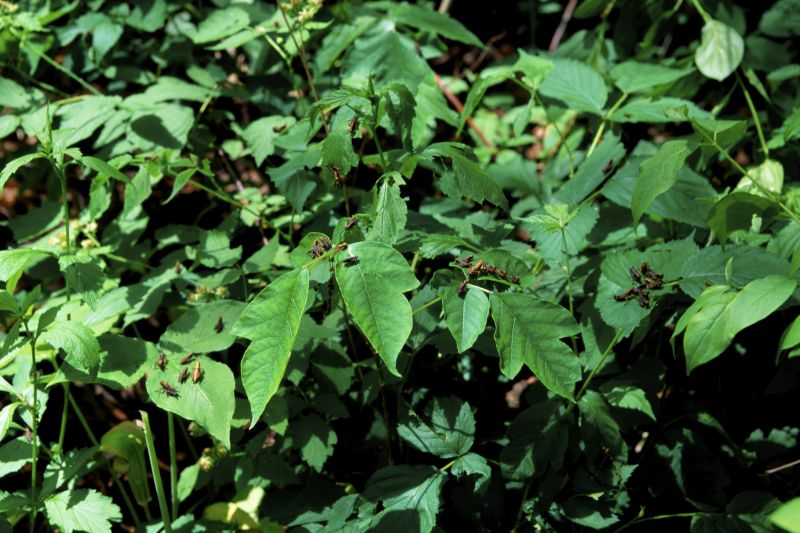
Poison Oak Removal Questions
What is poison oak removal? Poison oak removal involves safely eliminating the plant to prevent skin irritation and protect property landscapes.
Why should poison oak be removed? Removing poison oak reduces the risk of skin contact and helps maintain a safe outdoor environment.
What areas typically require poison oak removal? Common areas include yards, hiking trails, parks, and any outdoor spaces where the plant is growing.
How is poison oak removal performed? The process generally includes identifying the plants, carefully cutting or pulling them out, and disposing of them properly.
Request Poison Oak Removal in Lancaster, PA
Use the quote form on this page to share the basics of your project and request more information for the type of work you need.